
 6 PROF. ASSEN ZLATAROV STR., OFFICE 3, VARNA 6 PROF. ASSEN ZLATAROV STR., OFFICE 3, VARNA  +359 52 802 163 +359 52 802 163  OFFICE@RAPIV.ORG OFFICE@RAPIV.ORG   |
  |
 |
|

|
TEX-DAN: National event dedicated to the circular economy in the textile and fashion sector On 21 April 2026, the national event “Circular Economy in the Textile and Fashion Sector: Solutions, Partnerships and Practical Steps for the Business” took place at Hotel Cherno More in Varna. The event was organised by Regional Agency for Entrepreneurship and Innovations – Varna (RAPIV) within the framework of project DRP0200164 TEX-DAN – “Moving forward with circularity in textile and fashion value chains”, co-funded by the Interreg Danube Region Programme 2021–2027. Focus on Practical Opportunities for BusinessesA key focus of the programme was how companies can prepare for the transition towards more sustainable and circular business models, explore opportunities to adopt digital and sustainable solutions, and translate these changes into tangible business benefits. During the event, RAPIV presented the key results of the TEX-DAN project, along with the activities implemented to support small and medium-sized enterprises in the sector. The open call for companies to obtain the “TEX-DAN Made in Danube” label was also presented, aiming to encourage companies to demonstrate a stronger and more visible commitment to the principles of the circular economy and sustainable development. Presentation of the Companies Participating in the “Vouchers for Transition to a Circular Economy” InitiativeA dedicated part of the programme focused on the companies that participated in the “Vouchers for Transition to a Circular Economy” initiative. Participants had the opportunity to learn about practical examples illustrating the challenges these companies faced, the steps they took, and the results they achieved in moving towards more sustainable business practices. These examples provided a practical perspective on how even small and medium-sized enterprises can take their first steps towards integrating circular economy principles into their operations when provided with appropriate expert support and a clear direction for development.
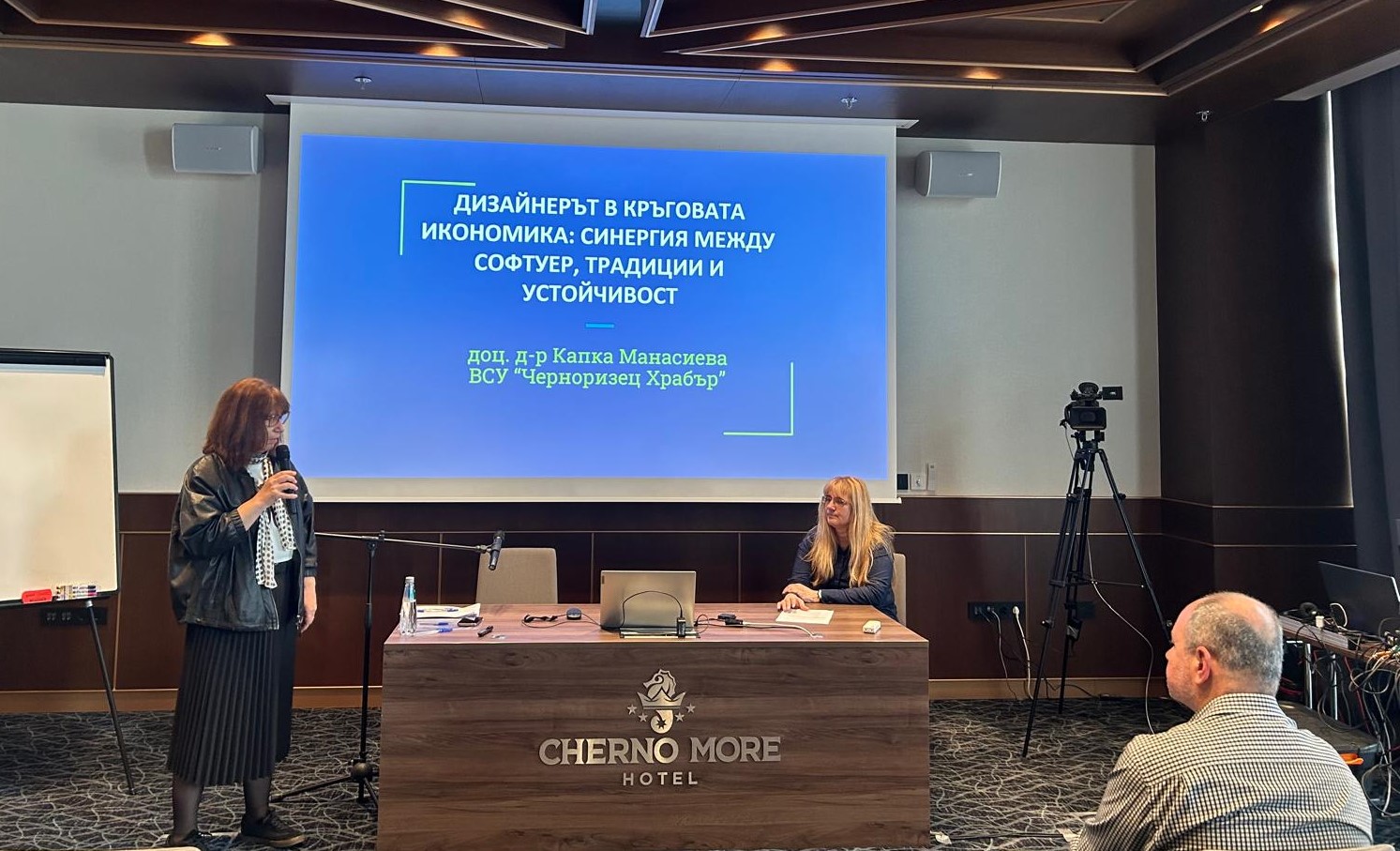
A special highlight of the event was the contribution of guest speakers who presented different perspectives on the circular transformation of the sector. Assoc. Prof. Dr Kapka Manasieva, Head of the Department of Arts at Varna Free University “Chernorizets Hrabar”, presented “The Designer in the Circular Economy: Synergy between Software, Tradition and Sustainability”, highlighting the role of design, innovation and new approaches in creating more sustainable products and business models in the fashion industry. Sirma Zheleva, Sustainability Manager at TexCycle, presented “GREEN-TEX: Promoting Circular Transformation” and emphasised the need for companies to begin preparing in a timely manner for upcoming changes related to European regulations and new requirements for the sector. Dobrina Kraleva, representative of the Vocational School of Textile Design and Fashion – Varna, addressed the topic of platforms for direct cooperation between business and education, with a strong focus on workforce development and the need for closer links between educational institutions and the business community.
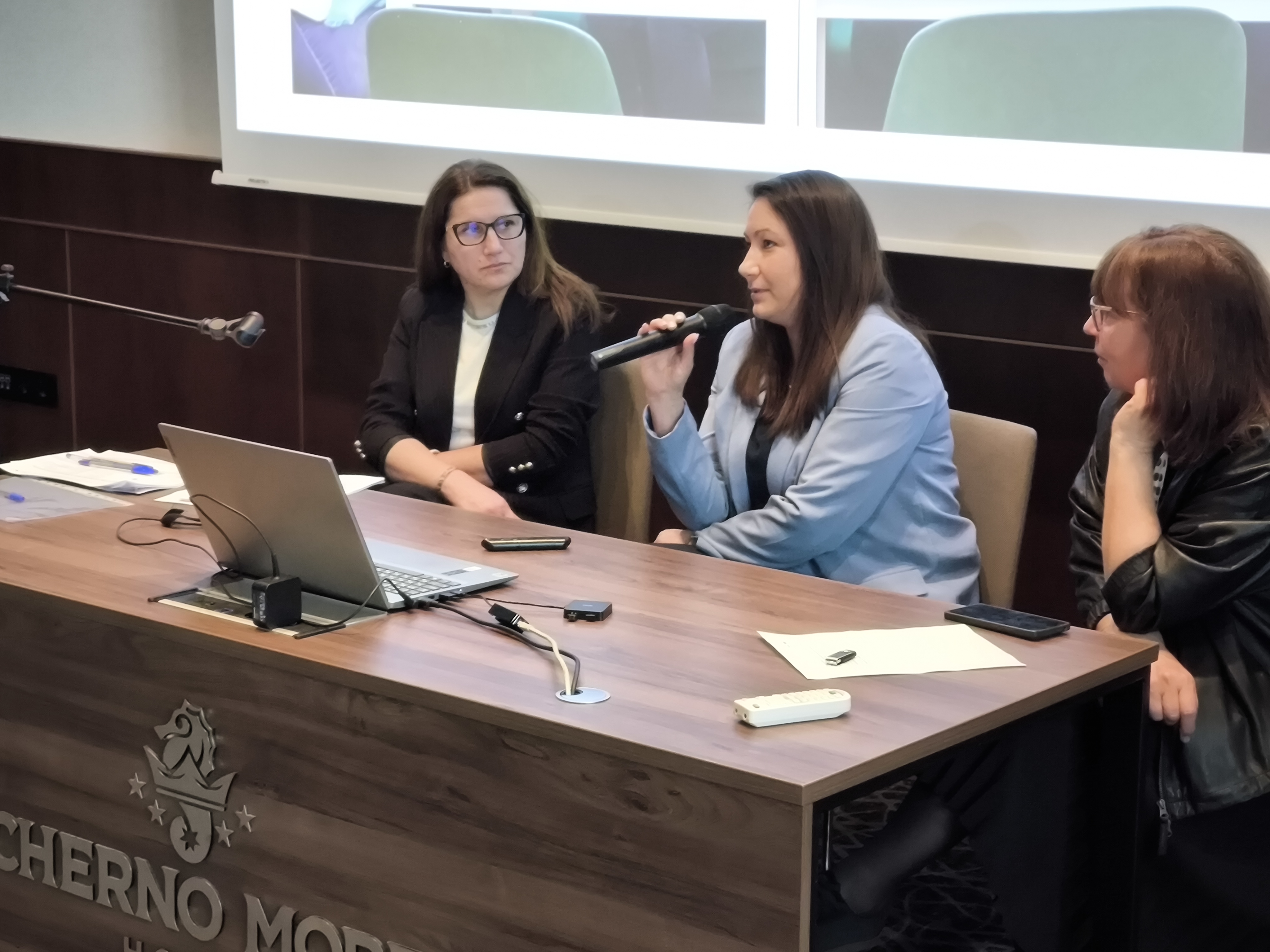
A key part of the programme was the panel discussion “Making Circular Principles Work for Businesses in the Textile and Fashion Sector”, which addressed important issues related to the transition to a circular economy. The main topics discussed included:
Several key messages emerged clearly from the discussion. First, it was emphasised that companies need support from the very beginning of their transition to a circular economy, as this is a process that requires time, guidance, and access to relevant knowledge and solutions. The need for businesses to start preparing now for upcoming changes resulting from the implementation of European regulations was also highlighted. In this context, participants shared the view that timely preparation will be essential for maintaining business competitiveness in the years ahead. Another important conclusion was that stronger cooperation between businesses and educational institutions is essential to ensure a suitably skilled workforce for the sector. In this regard, the Vocational School of Textile Design and Fashion – Varna made a specific call to companies in the region to open their doors to student interns from the school, helping to prepare future professionals in line with the real needs of businesses. Matchmaking and Networking Session Focused on New Partnerships The panel discussion was followed by a matchmaking and networking session, providing participants with an opportunity to engage in direct discussions, exchange contacts, and explore potential areas for cooperation. The session aimed to create new connections between companies from the textile and fashion sector, businesses across the supply chain, and other stakeholders with a shared interest in sustainable and circular solutions. This part of the event strengthened its practical focus and demonstrated the value of such initiatives as a platform where ideas, needs, and concrete opportunities for collaboration can come together. The Event as a Step Towards a More Sustainable Future for the Sector The national event confirmed the growing relevance and importance of the circular economy for the textile and fashion sector, not only for businesses but also for educational institutions, experts, and public authorities. The strong interest in the event and active participation in the discussions demonstrated a clear need for more information, practical examples, timely preparation, and partnerships to support the sector throughout its transformation. The RAPIV team would like to thank all participants, speakers, and partners for their active involvement, shared experience, and commitment to the topic. Together, we continue to promote circular solutions, innovation, and cooperation across the textile and fashion sector. |

|
.jpeg)
.jpeg)
.jpeg)
.jpeg)
 |
 |
 |
 |
REGIONAL AGENCY FOR ENTREPRENEURSHIP AND INNOVATIONS – VARNA (RAPIV) |
Varna, Bulgaria tel.: +359 882 809 178 +359 52 802 163 office@rapiv.org |


